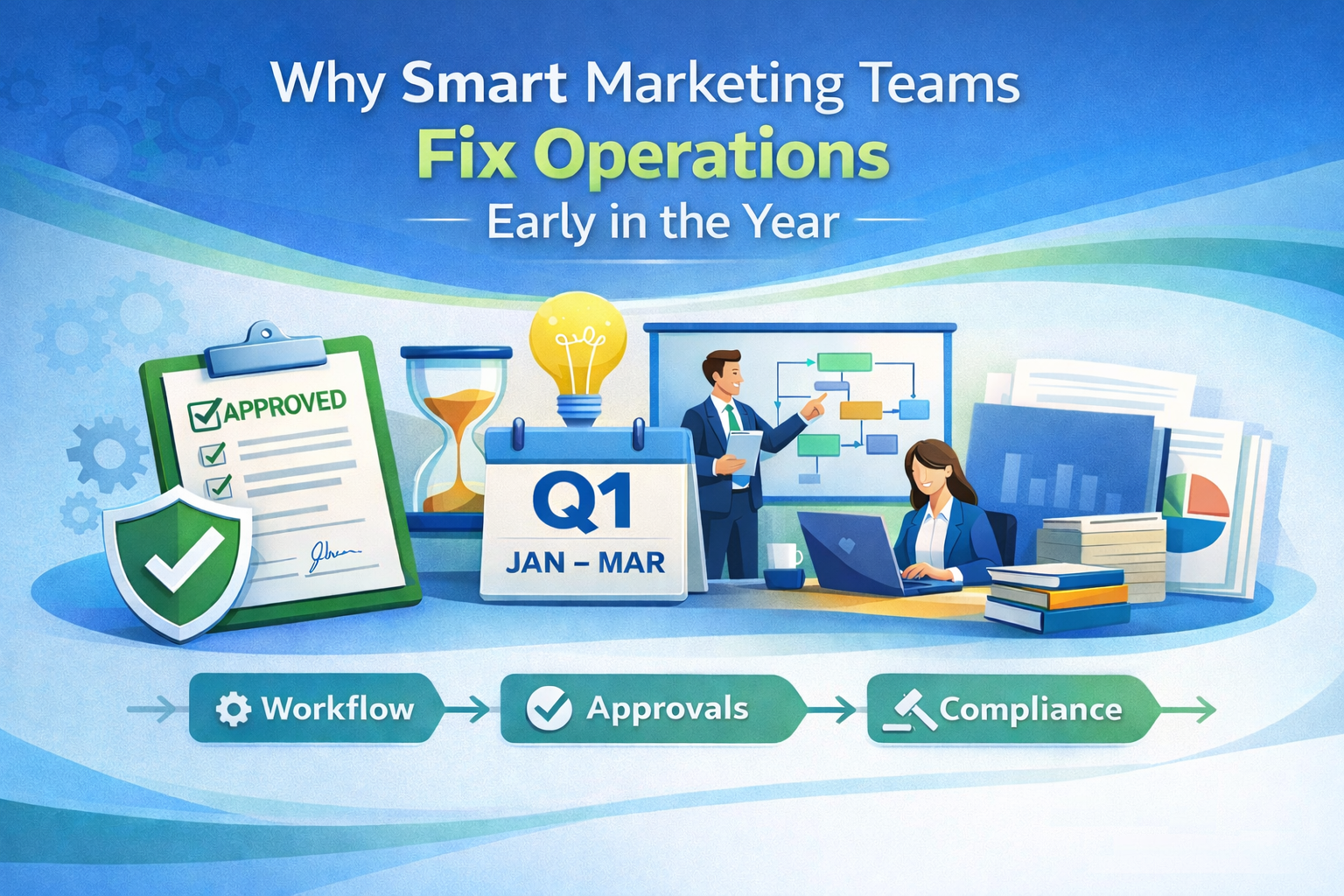
Imagine this scenario: A seasoned marketer returns from long-service leave, energised and keen to re-immerse herself in her projects and collaborate with her team. However, what she encounters is a cluttered landscape of new marketing technologies, each claiming to offer marketers a unique solution for optimizing various facets of the marketing ecosystem—from customer relationship management to content distribution and advertising technology. Unfortunately, these tools exist in isolation. They have not been integrated into a unifiedmarketing project managementsystem orapproval workflow, and as a result, their dashboards are virtually empty and their advanced features underutilized.
According to a recent report, themedium number of marketing toolsamarketing teamuses is 20 to 29, but nearly 10% of teams are using 40 or more. This overabundance often creates bottlenecks in integration, complicatesmarketing approvals, greatermanual workloads, and obstructs the path to effectivemarketing project management. In turn, this fragmentation establishes operational silos and reduces the value of even the most feature-richmarketing project management softwareto a mere desktop ornament.
Read more
Effectively Managing the Creation and Approval of Brand Assets
Effectively managing the creation and approval of brand assets is essential for maintaining consistency and quality across all marketing materials. This article explores the complexities of version control and how marketing project management software can streamline these processes for organisations of all sizes. It covers the fundamentals of version control, highlights the high costs of poor management, and discusses advanced features in project management software that enhance workflow efficiency. Additionally, the article examines the integration of legal and compliance checks and outlines the tangible benefits of robust version control, including improved collaboration, reduced legal risks, and enhanced brand integrity.
Understanding Version Control: The Art of Keeping Up With Creative Evolution
The Challenge of Multiple Versions
Creating compelling marketing materials like white papers, social media graphics, and event banners often involves multiple iterations. Each version might have slight differences – a tweaked headline, an updated logo, or a revised colour scheme. While this iterative process is essential for crafting impactful content, it can also lead to confusion. With so many versions floating around, it's easy to lose track of which one is the most current and accurate. This lack of clarity can have serious consequences for your brand.
The High Costs of Poor Version Control
Inefficient version control can lead to several costly issues for your business:
Brand Inconsistency: Using outdated or incorrect versions of assets can create a disjointed brand image, confusing your target audience and diluting the overall brand impact.
Resource Wastage: Teams can waste significant time searching through and sorting through various versions of files, leading to inefficiencies and project delays.
Redundant Asset Creation: Without a clear version history, there's a high risk of unknowingly recreating assets that already exist, wasting valuable time and resources.
Excessive Revisions: Repeated and unnecessary rounds of revisions can inflate project costs and lead to missed deadlines.
Demystifying Version Control: Keeping Your Creative House in Order
What is Version Control?
Version control, at its core, is a systematic method for tracking and managing each iteration of a file. This process is particularly critical in environments where digital assets undergo frequent revisions, such as marketing departments. It is not a standalone system but a set of features integrated within online proofing software or marketing project management and approval workflow software.
The Essential Building Blocks of Version Control
entralised Repository: Version control features within marketing project management software function by maintaining a central location where all iterations of an asset are stored. This repository acts as the single source of truth, ensuring everyone on the team has access to the most up-to-date version.
Comprehensive History Tracking: Every time a file is modified, the system creates a record of the change. This historical record includes details such as who made the change, the exact date and time of the modification, and a description of the specific alterations implemented. This level of granularity provides a clear audit trail for the asset's evolution.
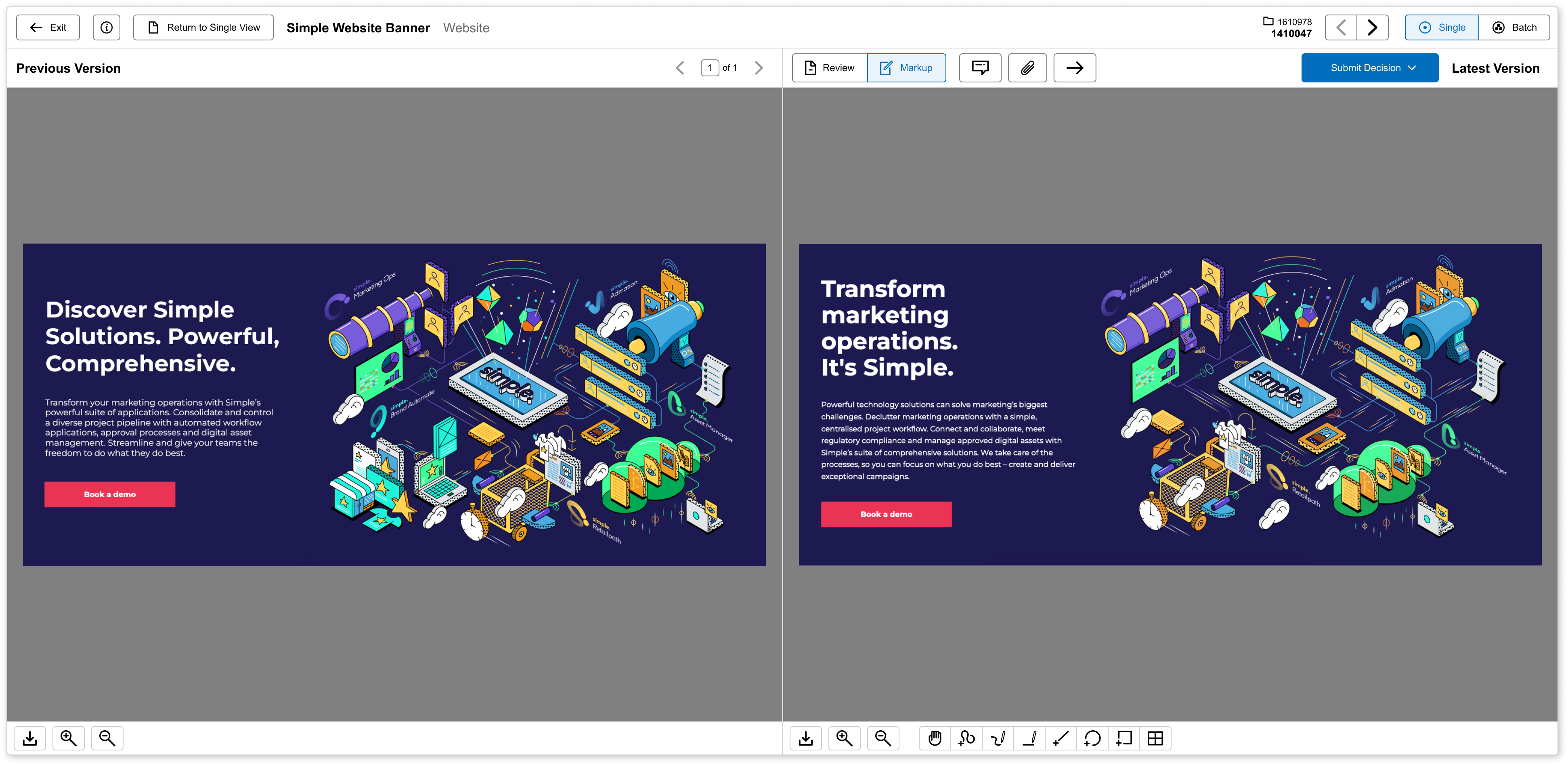
Tracking Changes: One of the most valuable features of version control is its ability to track changes across different versions. This allows you to identify even the most minute differences between versions, such as text edits, design tweaks, or formatting adjustments.
Branching and Merging: Version control features empower teams to work on different aspects of a project simultaneously by creating branches. These branches can then be merged seamlessly, ensuring that the final version incorporates all approved changes.
Leveraging Advanced Features to Streamline Your Workflow
Marketing project management software takes version control to the next level by offering a suite of advanced features designed to optimise your marketing operations:
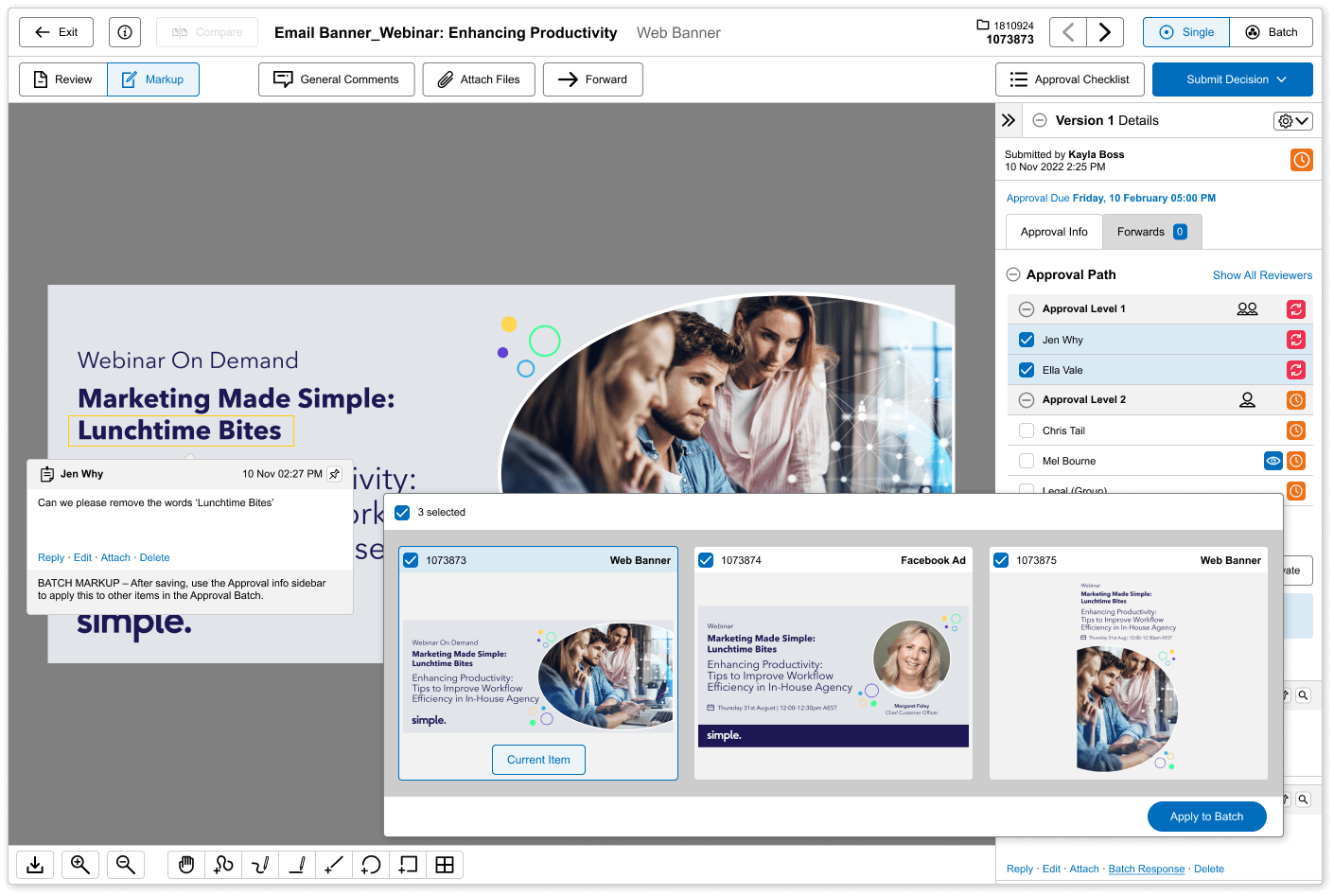
Online Proofing and Markup: This collaborative online proofing tool allows teams to review and annotate digital assets in real-time. It streamlines the feedback process, ensures that changes are made accurately, and maintains a clear record of modifications.
Batch Approval: This feature expedites the approval process by allowing for the simultaneous approval of multiple assets. Batch Approval promotes consistency across various marketing materials while reducing administrative burden.
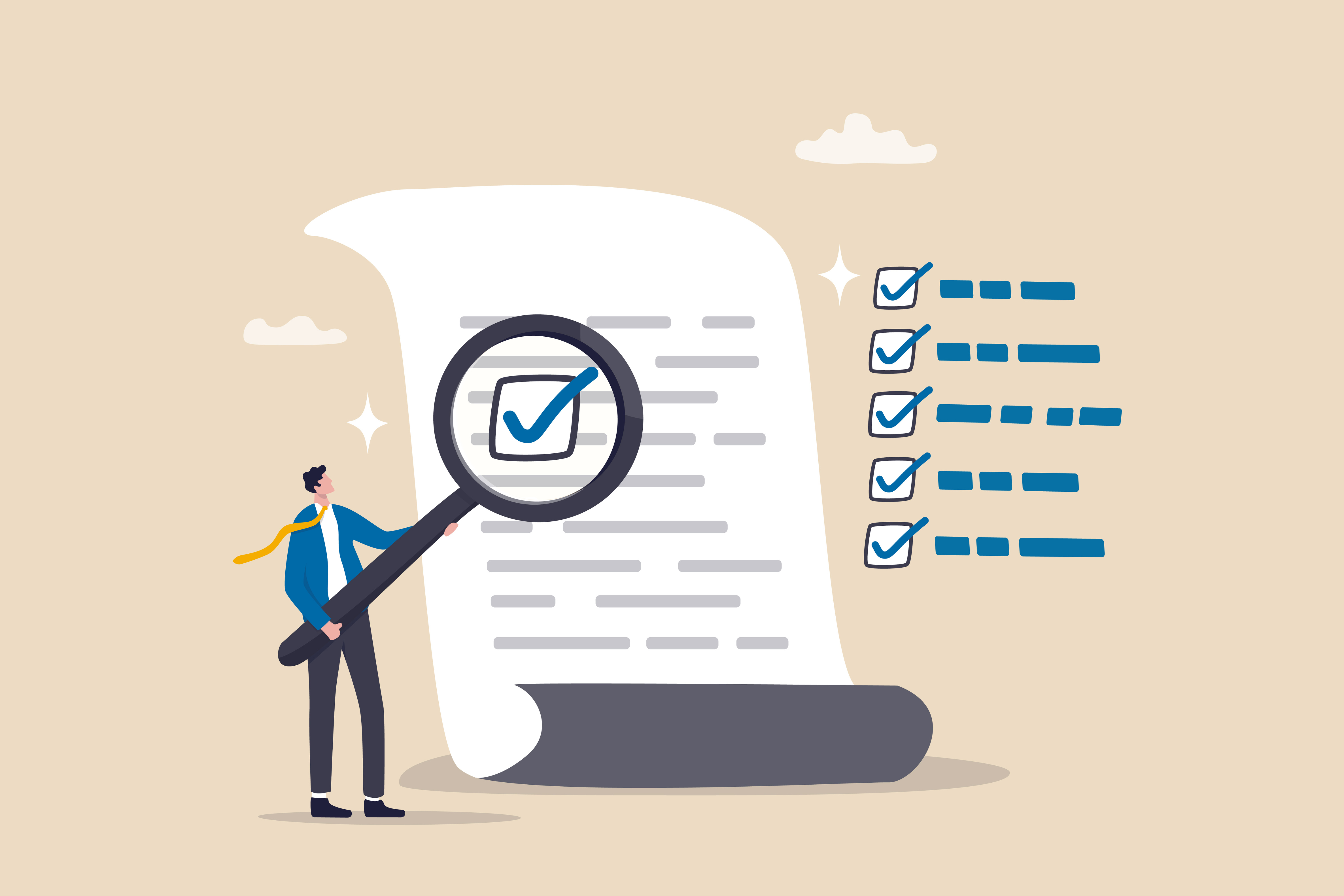
Approval Checklists: These approval checklists provide a structured approach to reviewing assets, ensuring they meet all necessary criteria before being published. This reduces the risk of errors and omissions.
Tiered Approvals: The approval process often involves different stakeholders at various stages. For instance, initial concepts might require marketing manager sign-off, while final versions may necessitate legal or compliance team review. Tiered approvals streamline this process by ensuring the right people are involved at the right time.
Ensuring Legal and Compliance Integration
Marketing materials must comply with various legal and regulatory standards. Marketing project management software facilitates this by allowing legal and compliance teams to be seamlessly integrated into the approval process at necessary stages. This ensures that all content adheres to relevant regulations before publication.
The Tangible Benefits of Effective Version Control
Implementing a robust version control system through marketing project management software offers a multitude of advantages:
Enhanced Efficiency and Brand Integrity: Effective version control streamlines workflows, minimising the time and effort required for asset creation. This allows marketing teams to focus on strategic initiatives while maintaining consistent brand messaging across all marketing materials.
Reduced Legal Risks: The involvement of legal and compliance teams throughout the content creation process significantly reduces the risk of legal complications arising from non-compliant marketing materials.
Improved Collaboration: Version control systems enhance collaboration by providing a centralised platform where all team members can access the latest versions of assets and contribute their input. This fosters a more cohesive and productive working environment.
Clear Accountability: With detailed history tracking, it is easy to identify who made specific changes and when. This accountability ensures that team members are more mindful of their contributions and helps in resolving any disputes or discrepancies efficiently.
Disaster Recovery: Version control systems often include features that allow you to revert to previous versions of a file. This is invaluable in cases where a mistake is made, or an undesired change needs to be undone, protecting your assets from potential disasters.
Implementing Version Control: Best Practices
Best Practices for Efficient DAM Version Control
To ensure effective management of asset versions, establish version control policies and workflows that work well for every team. Consider the following:
Standardise Naming Conventions: Develop a consistent naming convention for files to ensure that all team members can easily identify and locate the correct versions of assets.
Assign Responsibility: Assign ultimate responsibility for proper version control on each asset. Determine who will take charge, whether it be a project manager, an appointed version controller for each project, or someone else.
Create Clear Processes: Write the rules and processes personnel should follow when uploading assets to ensure consistent version control across the system.
Integrate with Other Tools: Enhance your version control process by integrating it with other marketing tools, such as content management systems (CMS) and digital asset management (DAM) platforms, to streamline your workflow further.
Regular Training: Ensure that all team members are well-versed in using the version control features through regular training sessions. This will help in maximising the system's potential and minimising errors.
Frequent Backups: Regularly backup the central repository to prevent data loss and ensure business continuity in case of system failures.
Conclusion: Version Control - A Strategic Asset for Marketing Success
Effective version control is more than just a technicality; it's a strategic asset for successful marketing. By implementing robust version control features within marketing project management software, organisations can ensure brand consistency, enhance efficiency, reduce legal risks, and foster better collaboration. In an increasingly competitive market, these advantages can make a significant difference in your marketing efforts.
By optimising your version control processes, you are not only protecting your brand but also empowering your marketing team to deliver their best work efficiently and consistently. Embrace version control as a fundamental component of your marketing strategy to supercharge your marketing operations and achieve greater success.
Read more
Having spent over 15 years on both sides of the marketing technology (MarTech) table – as a marketing user and a Martech supplier – I've witnessed the explosion of MarTech solutions firsthand. It's exhilarating to see the constant innovation, but frankly, it can also be a little overwhelming. Every vendor promises their tool to be the silver bullet, the one solution that revolutionises marketing.
But the surprising truth, highlighted by industry reports, is a disconnect between promise and reality. Many marketing teams still struggle to utilise even a fraction of their existing MarTech stack. They remain tethered to outdated processes, clinging to familiar – but inefficient – spreadsheets and manual workflows. A staggering 77% of marketers spend a significant amount of time (10+ hours/week) wrestling with spreadsheets, according to a 2022 MarTech survey. This reliance isn't uncommon, with another study showing 44% of marketers still use Excel.
The real cost of inefficiency is even more alarming. A 2023 study by the Association of National Advertisers (ANA) revealed a startling fact: 60% of marketers' time is wasted on manual tasks. This inefficiency significantly impacts productivity and, ultimately, the bottom line. Forrester Research estimates that poor project management costs US businesses a staggering $1 trillion annually.
Gartner's 2023 Marketing Technology Survey adds another layer to the challenge: MarTech utilization has plummeted to 33% in 2023, down from 58% in 2020.
The result? We're stuck in a constant state of juggling. We drown in a sea of tools, yet core challenges persist. It's the same story I've seen for over a decade: approval bottlenecks devour precious time (studies show they consume a whopping 69% of marketers' time!), version control chaos reigns supreme, and poor briefs translate to wasted resources and budget drains with BetterBriefs reporting one-third of marketing budgets are wasted on unclear briefs!
The problem isn't the lack of technology; it's the lack of a solid foundation. Imagine building a skyscraper on shifting sands. No matter how impressive the design or cutting-edge the materials, the whole thing could come crashing down. The same is true for marketing projects. Fancy new MarTech solutions won't work their magic if core project management principles and marketing operations are neglected.Laying the Groundwork: Building Strong Marketing Operations Foundations
This is where my experience comes in. Having seen both sides of the coin, I can offer practical solutions to bridge this gap and help you build solid marketing operation foundations that will help you unlock the true potential of MarTech.
Building a Strong Foundation: The Essential Building Blocks
Here are some essential building blocks for successful marketing operations and creative project management, based on my experience and industry best practices:
Crystal Clear Briefs: Clear communication starts with well-defined marketing project briefs. Knowing the project goals, target audience, and brand guidelines from the beginning avoids rework and wasted time.
Solid Planning: Craft a clear roadmap with defined deadlines, team member assignments, open communication channels, and a well-scoped project.
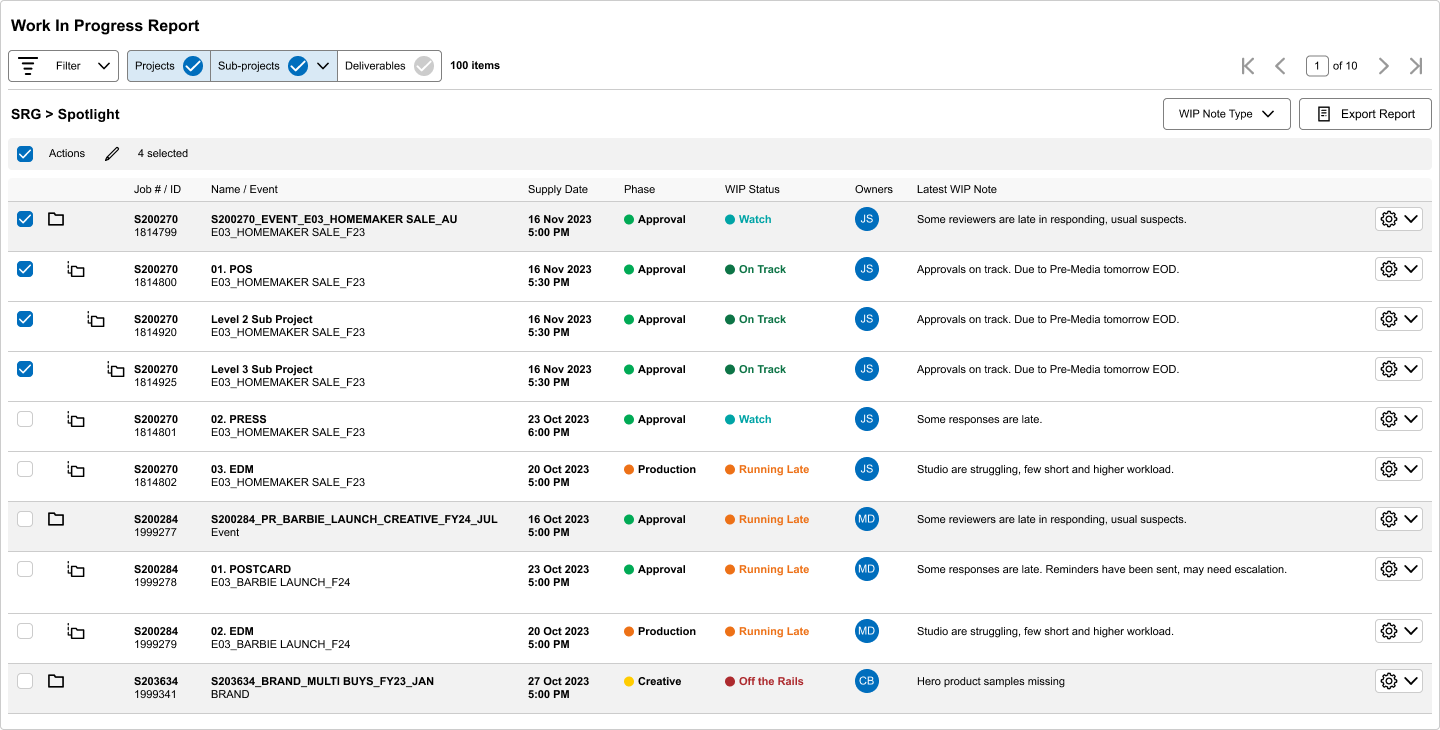
Streamlined Execution: Project management software is your friend! It fosters seamless collaboration, efficient task management, and real-time project visibility for everyone involved. Spreadsheets simple can not complete
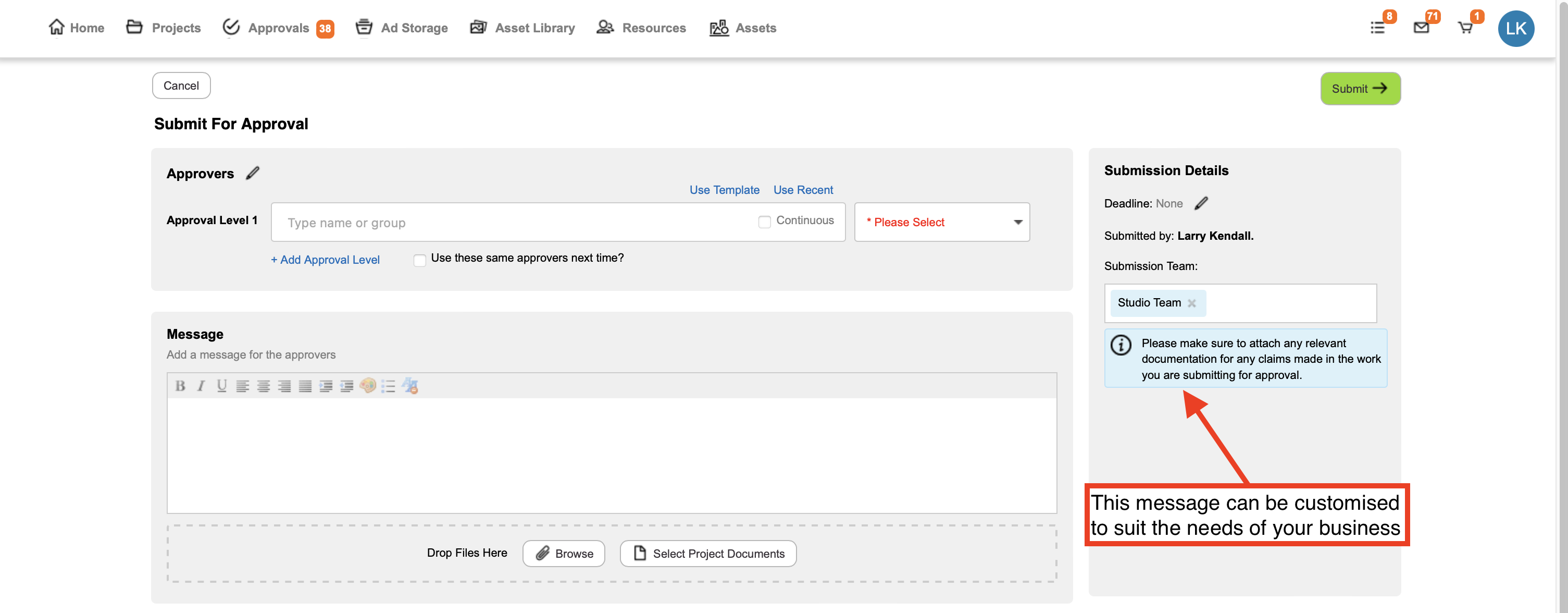
Efficient Approvals: Streamline the marketing approval process to save time and ensure everyone's on board. Compliance shouldn't be a hurdle, it should be part of the process not a secondary consideration.
Digital Asset Management (DAM): Centralise and organise your brand assets for easy access, version control, and brand consistency. A DAM system eliminates wasted time searching for assets and ensures everyone uses the latest approved versions.
Effective Resource Management: Utilise tools and processes to track and manage marketing resources (people, time, budget) throughout the project lifecycle. This ensures efficient resource allocation and avoids over-commitment.
The Persistent Juggling Act: Common Marketing Project Management Challenges
Despite advancements in MarTech, many teams still grapple with fundamental challenges, because they have not invested in the building blocks detailed above. Here are some common roadblocks I've seen firsthand, along with some eye-opening statistics to highlight their impact:
Approval Bottlenecks: Studies show inefficient approval processes can gobble up a whopping 69% of marketers' time! Imagine the creative fire you could ignite if that time was freed up for strategic brainstorming and execution.
Version Control Chaos: Too many revisions can derail projects. Without clear process to manage version limits and feedback loops, teams can get lost in a sea of edits.
Briefing Blues: A Budget Drain: Poor briefs can have a significant impact on marketing budgets. Unclear briefs lead to wasted time, rework, and ultimately, a drain on your marketing budget (as highlighted by TopLine Global).
Quality Control Concerns: Maintaining brand consistency across creative assets can be difficult, especially with distributed teams. A Digital Asset Management solution can help address this challenge.
Outdated Processes: Draining the Budget: Siloed workflows and manual processes create a marketing money pit. Streamlining workflows with automation and collaboration tools can free up your team's time and lead to significant cost savings.
Resource Overload: Juggling Multiple Projects: Managing multiple projects and resource allocation can be a nightmare. A two-pronged approach is needed: optimising workflows and leveraging the right tools.
Spreadsheet Syndrome: Spreadsheets, while familiar, can quickly become a bottleneck for complex projects. Project management software offers features for visibility and collaboration that spreadsheets lack.
Brand Asset Blues: Marketers still struggle to manage brand assets effectively. A DAM system can centralise storage and eliminate wasted time searching for assets.
Read more
Why Auditing and Prioritizing Your Digital Assets is a Marketing Must-Have
For over two decades, I've championed the power of Marketing Technology including Digital Asset Management (DAM) software - I've been responsible for implementing MarTech across numerous organisations as well as marketing solutions to brands and creative teams across the globe. But I am here to inform you, that even the most seasoned professional can fall victim to disorganisation. Recently in a last minute, frantic search for a selection of logos and graphics to include in a campaign I unearthed a treasure trove of outdated assets. It was a reminder that even marketers with the best intentions can struggle to keep their DAM libraries in tip-top shape.
The truth is, neglecting our digital assets and not implementing regular Digital Asset Management audits can have serious consequences. Our ever-growing to-do lists often leave DAM audits on the back burner. Metadata becomes outdated, valuable assets get lost, and content creators end up recreating what already exists. This is a marketer's nightmare – wasted time, wasted resources, and missed opportunities.
The Power of a DAM Audit: Unlocking Efficiency and Effectiveness
By investing time in a DAM audit, you're not just decluttering your digital space, you're unlocking the full potential of your marketing software, so lets take a look at what's involved in undertaking an annual audit.
Here's a step-by-step guide:
Step 1: Embrace the DataYour Digital Asset Management Software is a goldmine of information, not just a storage locker. Leverage analytics – download statistics, usage data, creation dates, expiry dates – to identify forgotten gems and under utilised content.
Step 2: The Metadata MakeoverAccurate and up-to-date metadata is the key to findability. Give your assets a metadata makeover, ensuring it reflects current industry terms and best practices. It is a little like SEO, keywords and the terms we use change over time, trends come and go, and it is important that we review our data so it remains current and so found assets can be found on demand.
Step 3: The Ruthless ReviewBe ruthless! Identify outdated content, especially for discontinued products or services. Don't just delete it – consider archiving for historical purposes (but keep it out of the way!).
Step 4: The Fresh StartDevelop a regular audit schedule. Start with bi-annual check-ins and change the frequency as needed.
Bonus Tip: Collaboration is KeyDon't go it alone! Involve your marketing team or brand and product teams, especially those responsible for content creation. Collaborative audits ensure everyone's on the same page and using the right assets.
Beyond the Basics: A Deep Dive into DAM Optimisation
Now that we've covered the fundamentals, let's delve deeper into the strategic benefits of auditing and prioritising your digital assets:
Extends the Lifespan of Digital Assets
A disorganised DAM solution diminishes the value of your content. Just like forgotten vegetables in the back of the fridge, valuable assets get lost and under-utilised. Regular audits help you find these forgotten gems, saving you the cost of recreating content or the cost of creating new assets when you could repurpose the ones you have.
Makes Migrations Efficient
Planning to migrate your assets to a new DAM platform? Auditing and prioritising beforehand is crucial. Migrating a disorganised library wastes time and money. There is no point in migrating assets that are no longer current, or expired. Cleaning up your library allows for a smoother transition, reduces migration costs, and gets users started on the right foot.
Provides Insights into Dynamic Content
Imagine a pantry so messy you can't tell what you have or what you need. The same goes for a disorganized Asset Library. Proactive content creation requires knowing what exists and what gaps need to be filled. Audits provide a clear understanding of your content library, empowering your brand, marketing, creative, and sales teams to find or create what they need.
A 10-Step Guide to Auditing and Prioritizing Digital Assets
Step 1: Consolidate Your Assets
The first step is gathering all your creative content from various locations – personal hard drives, company servers, cloud-based repositories, or existing DAM platforms. Consider using a central repository like Box or Dropbox or creating an online submission form for easy asset collection.
Step 2: Conduct a Comprehensive Inventory
Once your assets are consolidated, you need some basic insights. How many assets do you have? What types of files dominate your library? Use tools like PhotoMechanic, Box Shuttle, and Microsoft Excel to compile data on total asset count, storage usage, average file size, file types, and existing metadata.
Step 3: Identify and Remove Duplicates
Duplicate files are the bane of any DAM program. They waste storage space and clutter your library. Utilise DAM platform upload tools and online de-duplication tools to identify and remove these duplicates. With features like derivatives, formatting and version control, templating, and permissions within your DAM platform, you can confidently remove duplicates.
Step 4: Develop Asset Evaluation Criteria
Next, prioritise your assets based on their relevance and value to your organization. This will vary depending on your unique needs. Create custom evaluation criteria to prioritize content and understand its value.
Read more